Search for a command to run...
Never knew voice agents pick up all the calls at Gordon Ramsay’s restaurants.
My mind is blown!!! 🤯

Casinos aren’t designed for gambling.
They’re labs and you’re the experiment.
No clocks. No windows. No clear exits.
Every sound, light, and “almost win” is engineered to hijack your brain.
Here’s how they trap you and make sure you leave broke:

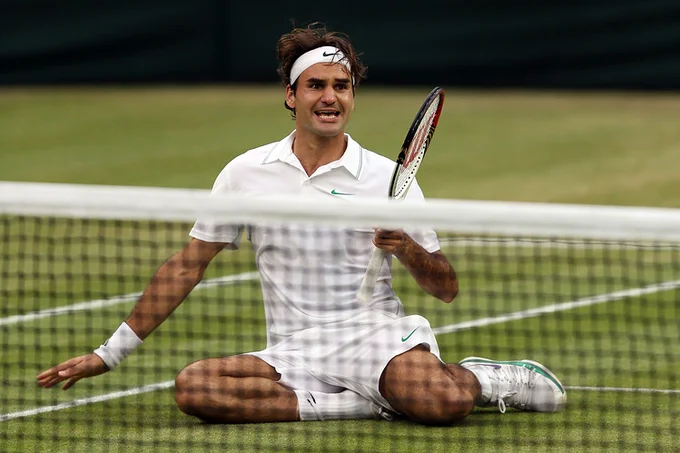
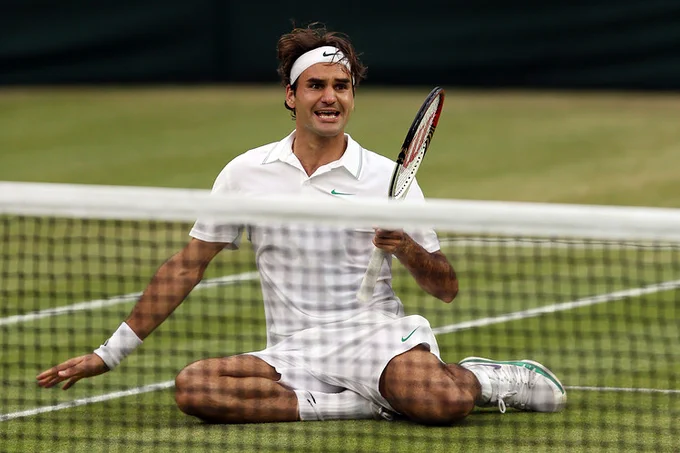
In 2018, Roger Federer walked away from a $100M Nike deal.
Not for Adidas. Not for Reebok.
He bet on a no-name Swiss startup making shoes out of garden hoses.
Everyone thought he was crazy, but that move made him a billionaire.
Here’s the wildest sports-business bet ever:
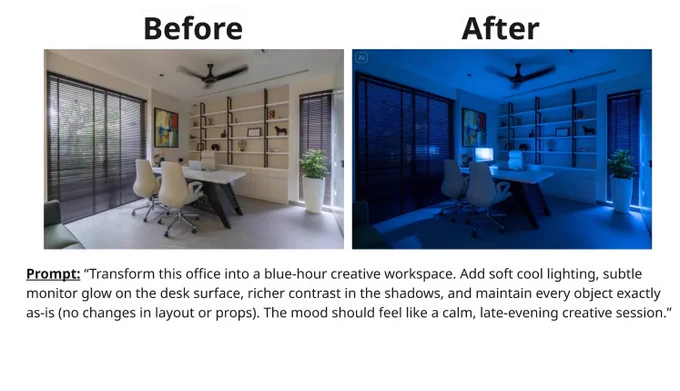
I don’t know who signed off on this, but this changes everything.
🍌 Nano Banana Pro + 💎 Dreamina just turned ad creative production into a one-app pipeline… and it’s literally free right now.
No subscriptions
No membership fees
Nano Banana Pro inside Dreamina for 7 days unlim
The 8 Greatest Ads of All Time:
1. Apple’s “1984” Super Bowl Ad
Apple’s 1984 ad, inspired by George Orwell, positioned Macintosh as the rebel against conformity.
Cost: $900K
Results: 46% sales boost in 100 days.

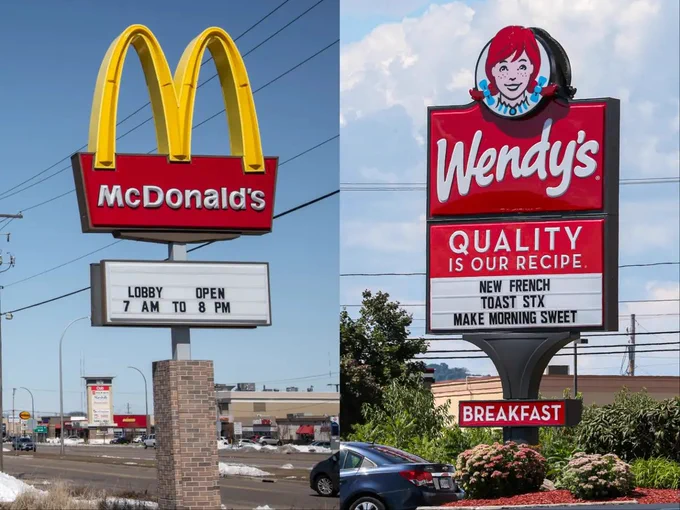
In 2018, Wendy’s launched the most savage marketing campaign ever.
No ads. No budget. Just brutal Twitter roasts.
The result? Millions in free publicity, and they humiliated McDonald’s in front of the world.
Here’s how Wendy’s turned roasting into revenue
Apple Stores make $5,500 per square foot.
That's more than Tiffany, Gucci, and every other retailer on Earth.
They did it without cash registers, sales counters, or pushy staff.
Here’s how Steve Jobs built the most profitable retail model in history:
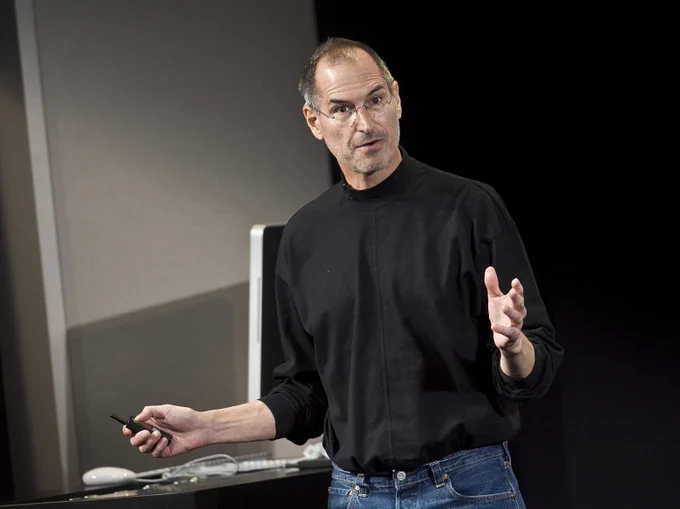
In 1997, Apple was 90 days from bankruptcy.
Its market share had collapsed to under 3%.
Then Steve Jobs returned, and they launched one campaign that saved it all.
Here’s the story of the most iconic marketing comeback in history:
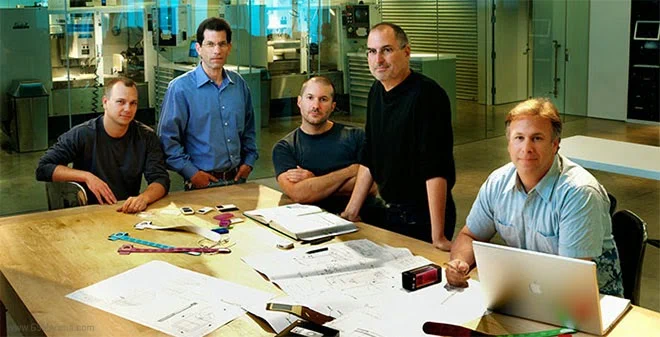
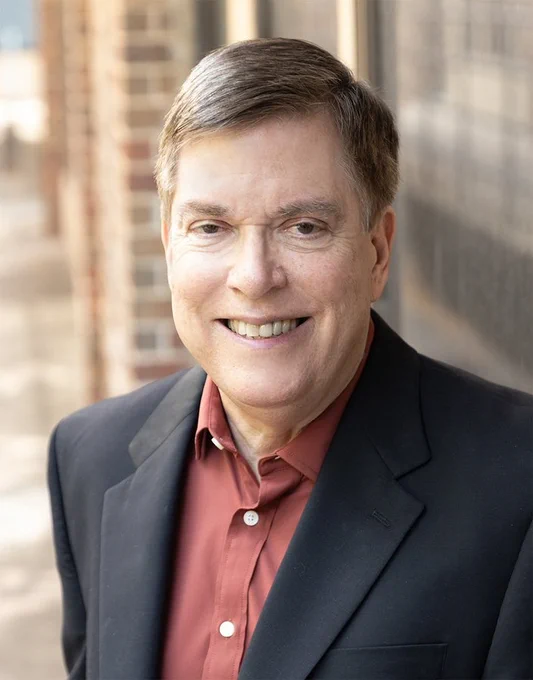
This guy doesn’t just market; he rewires your brain.
Roger Dooley’s Brainfluence shows how Amazon, Tesla, and Netflix get you to buy without realizing it.
Here’s how neuromarketing is hacking the future of advertising:
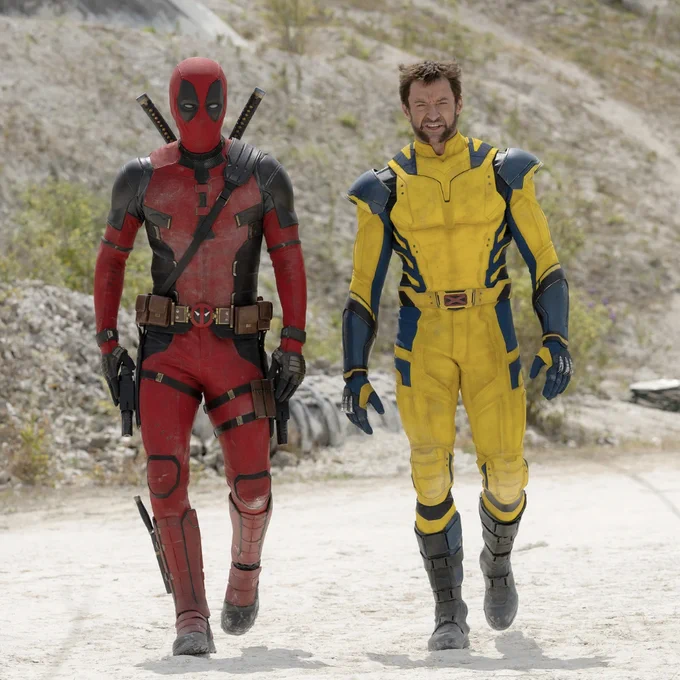
Ryan Reynolds applied the Deadpool marketing strategy:
Self-awareness, Humor and Meta-storytelling to his businesses.
The result? $2B in brand value across gin, telecom, and football clubs.
Here’s his Deadpool playbook for businesses:
Stop using ChatGPT for everything.
I found something that skips the chat entirely.
You talk → It executes
Here's the only voice tool I actually use now:

In 2018, Burger King pulled off the greatest fast-food heist ever.
They hijacked millions of McDonald’s customers and did 1.5M+ app downloads in just 9 days.
Here’s the insane story of how Burger King outplayed McDonald’s:

Most marketers fail at ads because they don’t test enough.
Creative fatigue is real, and hiring a designer for 50 variations is expensive.
But what if you could create a high-converting ad app for a month’s worth of campaigns in minutes?
AI just changed the game. 🧵
Marketers, listen up:
ByteDance just built the most advanced AI image engine on the planet: Dreamina, powered by Seedream 4.0.
It beat Nano-Banana and now ranks #1 globally for text-to-image generation.
But this isn’t just another “AI art toy.”
It’s the future of ad creative.
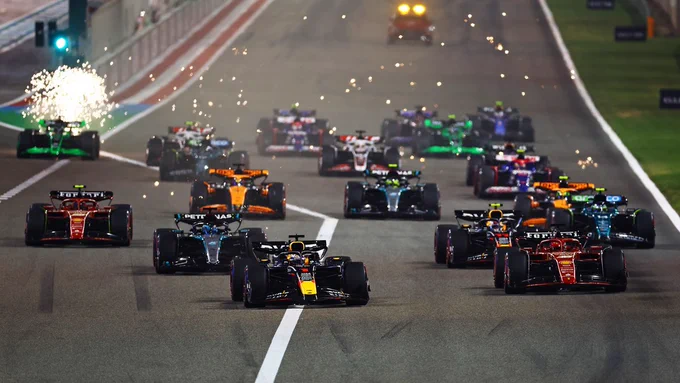
In 2017, Formula 1 was a ‘dying sport.’
Aging fans, no digital presence, and no future.
Then Netflix hit the gas.
5 years later: 50M new fans, TikTok dominance, and the fastest-growing sport on earth.
Here’s the marketing playbook that saved F1:
In 1996, Reebok paid $50M to sponsor the U.S. Olympic team.
Logos. Uniforms. TV rights.
But Nike, not even an Olympic sponsor, stole the spotlight.
Here’s the guerrilla play Nike used to humiliate Reebok at the Atlanta Games:
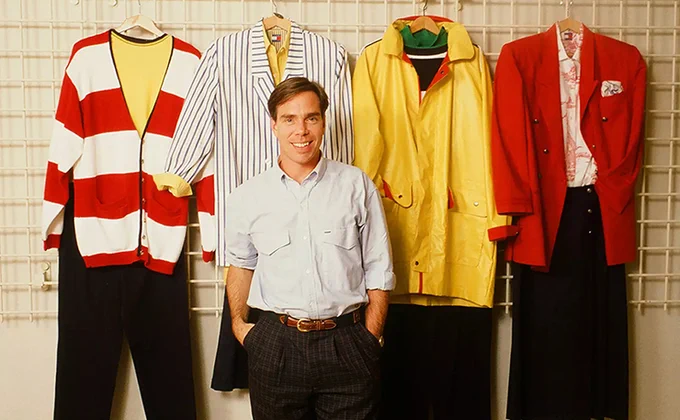
This is Tommy Hilfiger.
He didn’t build a clothing brand, he built an illusion.
And the world bought it.
Before anyone knew his designs, he made himself a household name with one genius marketing stunt.
Here’s how he tricked the world into believing he was already famous:
In the 1990s, Benetton didn’t sell fashion.
They sold controversy.
Dead bodies. AIDS victims. War criminals.
Their ads had nothing to do with clothes. But it worked.
Here’s how Benetton built a billion-dollar fashion brand using shock:
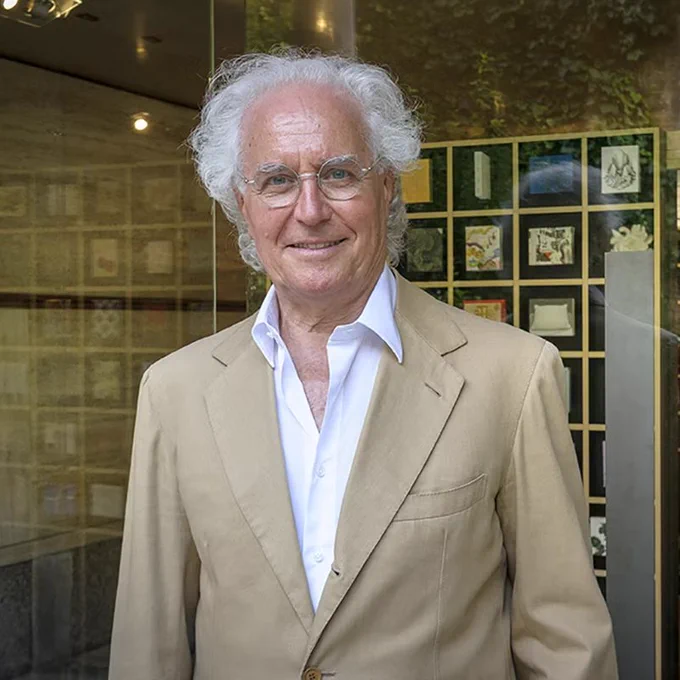
Big budgets don’t win marketing wars. Guerrilla tactics do.
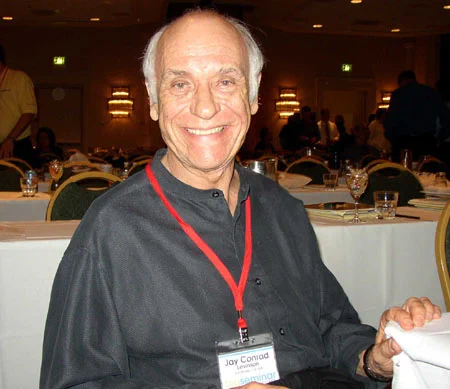
In 1984, Jay Conrad Levinson revealed how small brands could outsmart giants without spending millions.
Here’s the playbook that changed advertising forever:
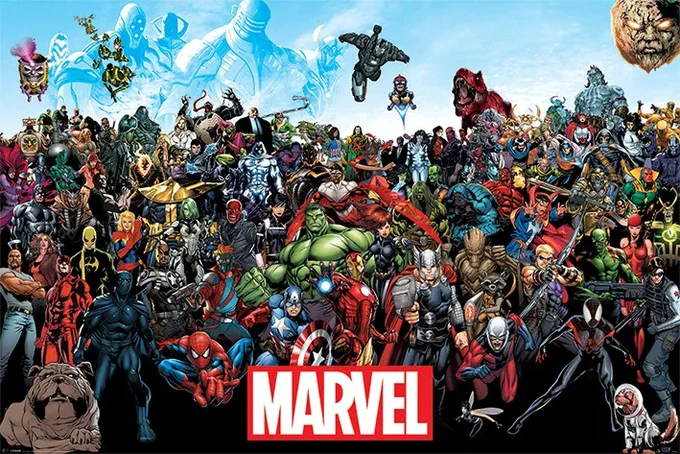
In 1996, Marvel went bankrupt.
Their stock fell 99.9%.
They were $700M in debt.
Then one insane $525M gamble changed everything.
Today, Marvel is worth $150B+
Here’s how they pulled off the greatest comeback in entertainment history
Most brand managers say they “analyze user feedback.”
What they actually do:
- Scroll Amazon
- Check TikTok comments
- Scan Reddit
- Screenshot complaints
- Build a messy deck
That’s not insight. That’s unpaid labor.
I tested something better.
Using #mulerun, I created a “So

In the 1970s, Japan hated coffee.
Nestlé spent millions on ads, discounts, and promotions, BUT nothing worked.
Then they hired a child psychologist.
What happened next turned Japan into the 4th largest coffee importer in the world:

The 8 Greatest Ads & Why They Worked:
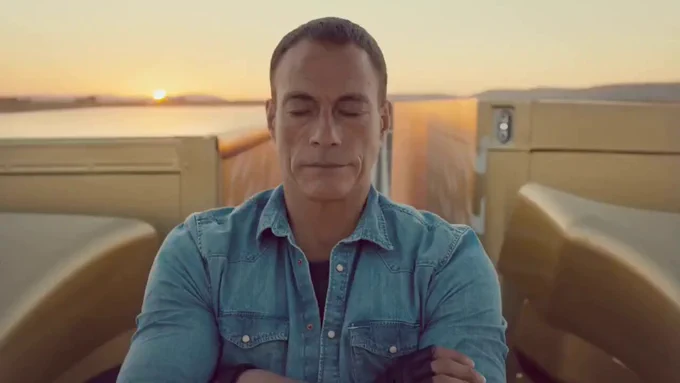
1. Volvo
Cost: $4M
Results: 48M views in 9 days, $170M in revenue
Why it worked: Stunning visuals + clear product demonstration.
In 2010, social media killed traditional advertising.
In 2020, mobile killed desktop.
In 2025, AI recommendations will kill SEO.
Fortune 500 CMOs are preparing for it. Most brands aren't.
Here's what they're using: 🧵
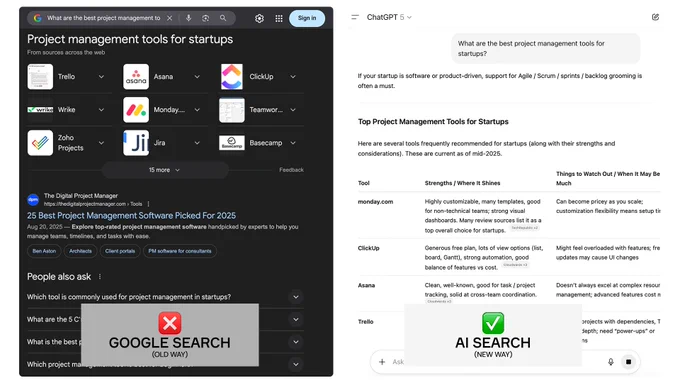
Building apps used to mean:
• $300K in costs
• 6 months of dev time
• A team of 5–8 engineers
Now?
I built a production-ready web app in 14 minutes: no code, no debugging.
The tool that made it possible? Lindy 🧵
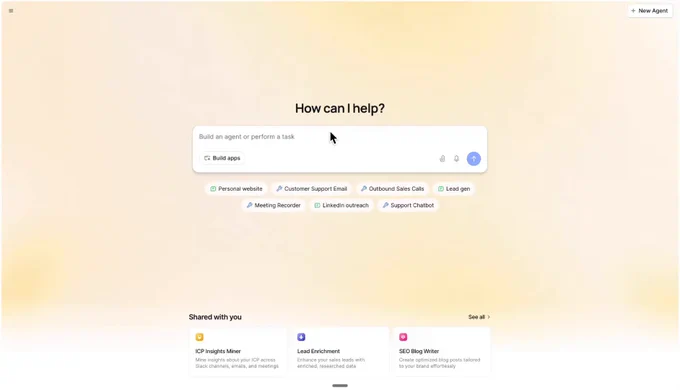
12 most creative + iconic ads of all time:
1.
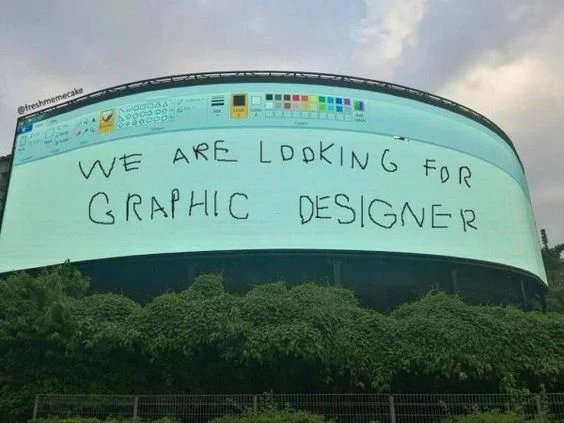
Peppa Pig made $1B. Frozen made $5B.
Not from movies but from merch.
Cartoons aren’t entertainment.
They’re billion-dollar traps for your child’s brain.
Here’s why billionaires love cartoons and how they use them to turn kids into lifelong customers:
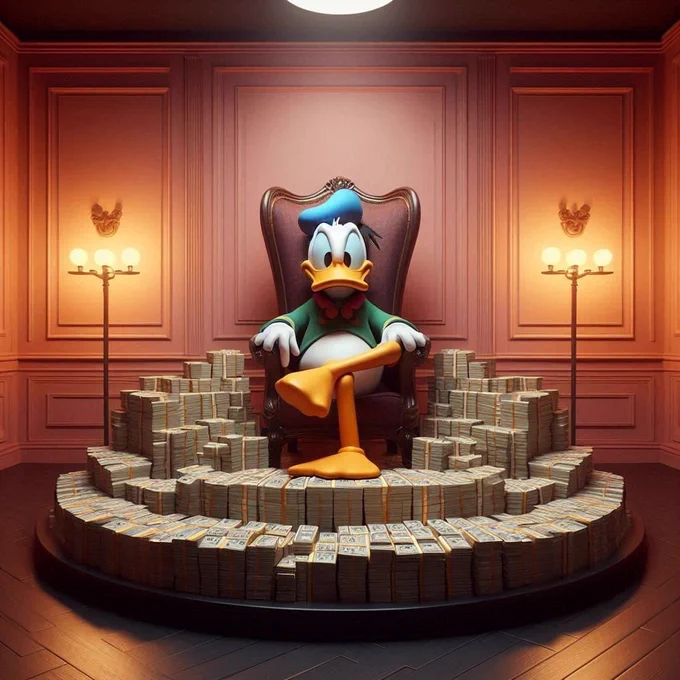
I have used every no-code platform out there.
They all overpromised and underdelivered.
Then I used Emergent and built 3 mobile apps in 60 minutes: no code, no team.
This feels like the day Apple launched the iPhone.
Here’s how it works (and why every builder should care):
Triple Whale raised $52M to kill dashboards.
40,000+ brands like OUAI and True Classic now run on 100+ AI agents that analyze, decide, and act on autopilot.
This is Triple Whale: the world’s first AI COO...
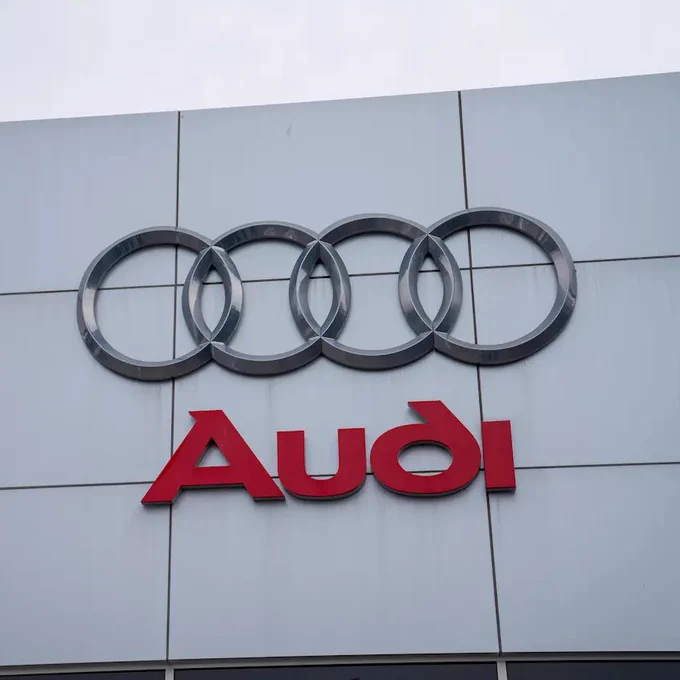
In 2009, Audi launched a bold billboard in Los Angeles to flex on BMW.
They thought they had the final word.
But BMW struck back with a savage response across the street.
What happened next became one of the most iconic ad wars in history.
Here’s the full story:
12 most creative + iconic ads of all time:
1.

I just turned Chrome into a fully autonomous AI worker… without installing a new browser.
And the wild part?
Manus doesn’t just assist you: it plans, navigates, clicks, types, scrapes data, fills forms, and completes multi-step workflows entirely on its own.
This is the closes

One of the most perfectly crafted brand loops I’ve seen this year:
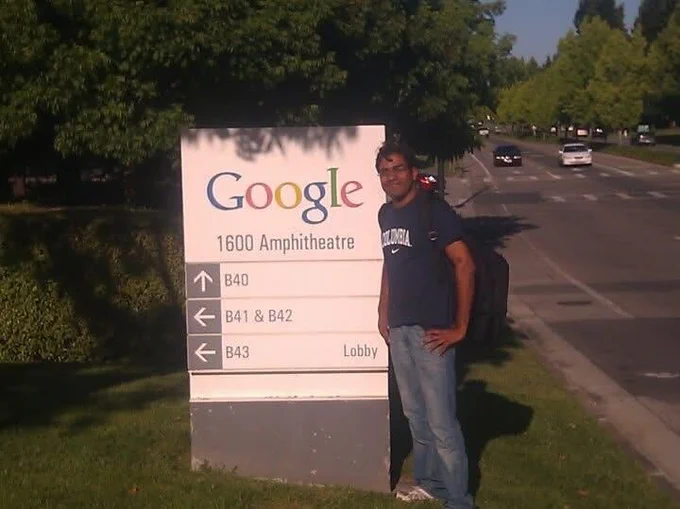
A former Googler builds an AI app platform so good…
Google’s AI Futures Fund invests in it.
This is how you build a category-defining story 👇
In 2007, iPhone killed Nokia.
In 2012, Netflix killed Blockbuster.
In 2025, AI catalog ads will kill UGC ads.
$10M was raised to do it by a company called Marpipe.
Here's what Marpipe figured out: 🧵
Dropbox. Google Drive. Frame io.
They built billion-dollar companies by storing files.
But none stopped the billions quietly wasted on marketing every year.
That’s why Air raised $70M to kill them using AI.
Here’s how it's changing marketing forever: 🧵
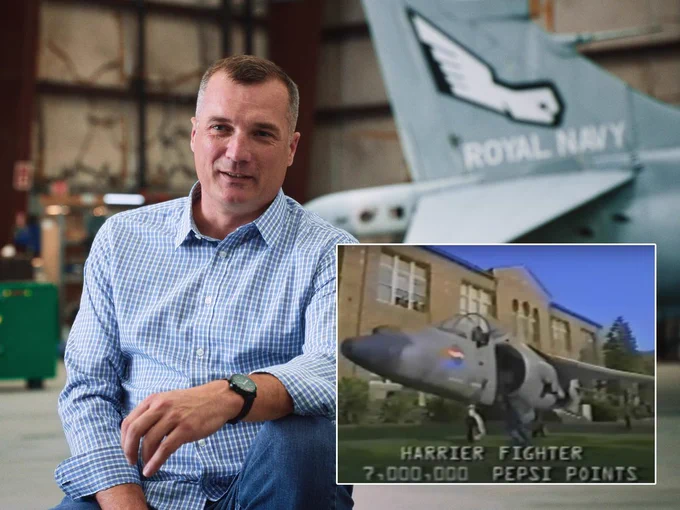
In 1995, Pepsi ran a campaign offering a fighter jet for 7 million Pepsi Points.
One college kid said “okay,” got the points, and demanded the jet.
When Pepsi refused, he took them to court.
Here's how a marketing joke turned into a $32M lawsuit:
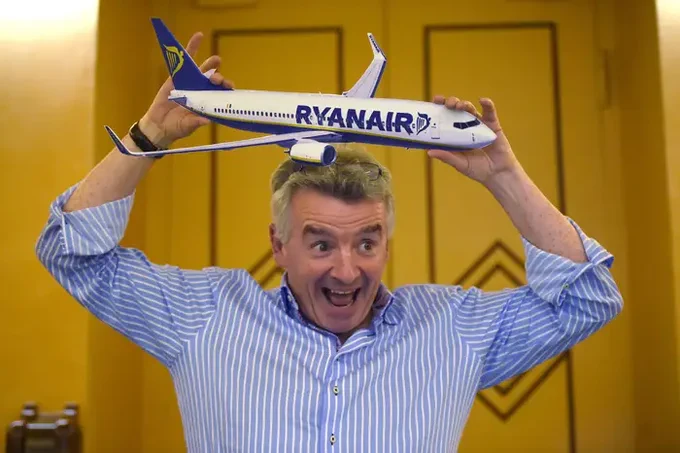
Ryanair charged €10 for tickets, €60 to print your boarding pass, and €1 to pee.
Everyone mocked their stingy strategy.
But it made them the most profitable airline in Europe.
Here’s how Ryanair turned budget hate into a billion-euro empire:
Sydney Sweeney is the hottest brand asset in marketing right now.
She made a soap brand go viral by bathing in it.
And sparked an 11% stock surge for American Eagle with one ad.
Here’s how she became a billion-dollar marketing machine:
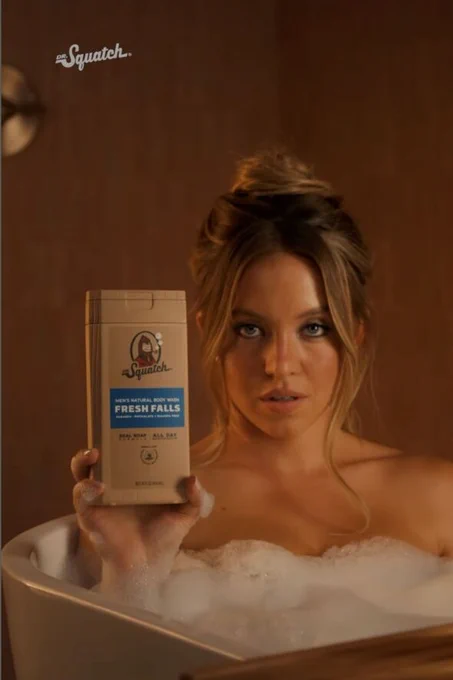
Bad marketing kills great businesses.
Here are the 12 best ads I saw this week:
1. Volvo
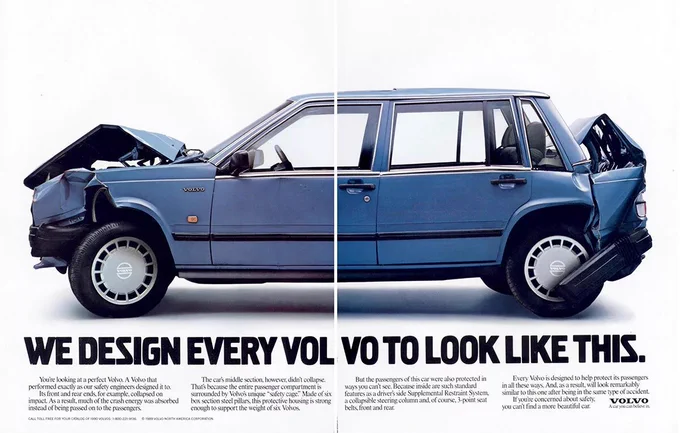
Adidas gave Kanye 3x more royalties than Michael Jordan.
He turned ugly sneakers into a $1.8B empire.
And made Adidas the hottest brand on the planet.
Then one meltdown cost them $1.3 billion in 24 hours.
The rise and implosion of the most dangerous deal in fashion history:
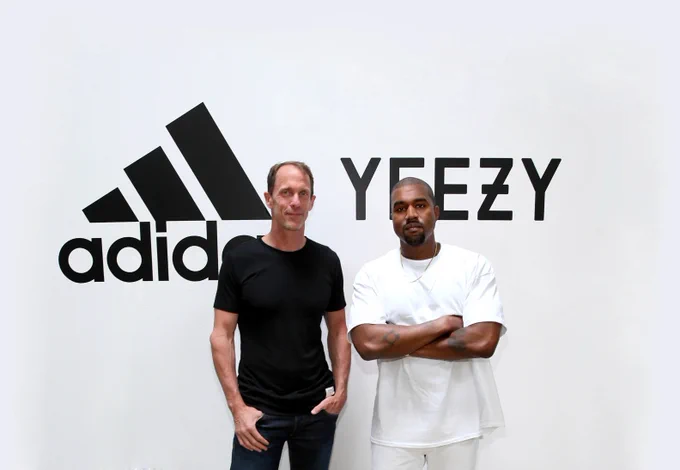
This Ex-Googler Hated VCs. Now Top Global Investors Are Fueling a 3-Way AI App Building War.
$70M from SoftBank & Khosla. $50M ARR in 7 months. 5M+ builders.
The marketing playbook behind this growth is a masterclass.
Here's how they did it:

This is Tommy Hilfiger.
He didn’t build a clothing brand, he built an illusion, and the world bought it.
Before anyone knew his designs, he made himself a household name with one genius marketing stunt.
Here’s how he tricked the world into believing he was already famous:

I don’t know who signed off on this, but this changes everything.
🍌 Nano Banana Pro inside 💎 Dreamina just turned ad creative production into a one-app pipeline
If you make ads, posters, or social assets for work, you need to see this ↓
In 2018, Roger Federer walked away from a $100M Nike deal.
Not for Adidas. Not for Reebok.
He bet on a no-name Swiss startup making shoes out of garden hoses.
Everyone thought he was crazy, but that move made him a billionaire.
Here’s the wildest sports-business bet ever:
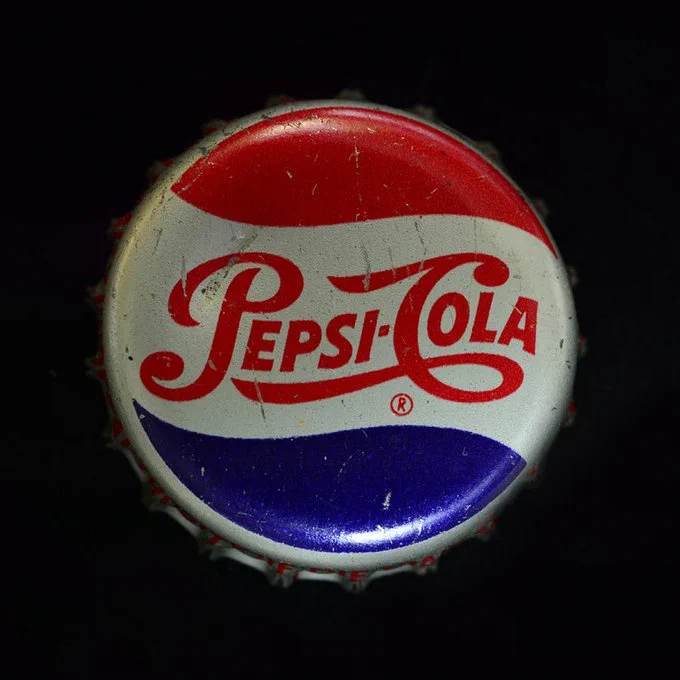
In 1975, Pepsi launched a stunt that humiliated Coca-Cola: the Pepsi Challenge.
Blind taste tests showed Americans preferred Pepsi over Coke.
Coca-Cola panicked and made a decision that became the biggest branding disaster in history: 🧵
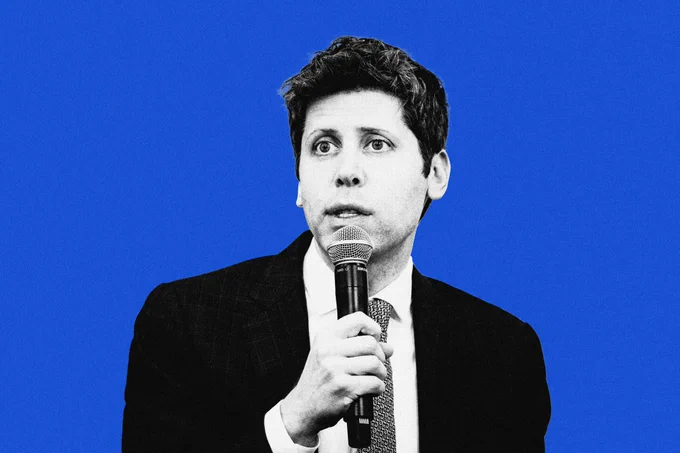
Sam Altman wasn’t lying.
SaaS is in its fast fashion era.
Ideas trend, upgrade, and vanish in a blink.
Better tools → more use cases → even more ideas.
Vibecoding is how you ride the loop instead of getting left behind.
I tested GPT-5 on @EmergentLabsHQ and the results will
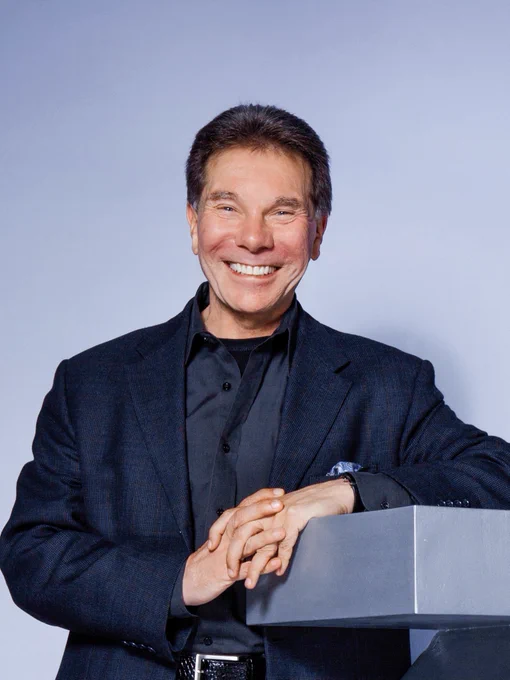
Supreme drops a hoodie. It sells out in 12 seconds.
Not because it’s better but because it’s scarce.
Robert Cialdini exposed the psychology behind it.
Here’s how brands manufacture urgency and turn it into billions:
Why does $9.99 feel way cheaper than $10?
One cent difference. Billions in profit.
William Poundstone uncovered the psychological tricks that make you spend more without realizing it.
Here’s how brands use pricing to control your decisions:

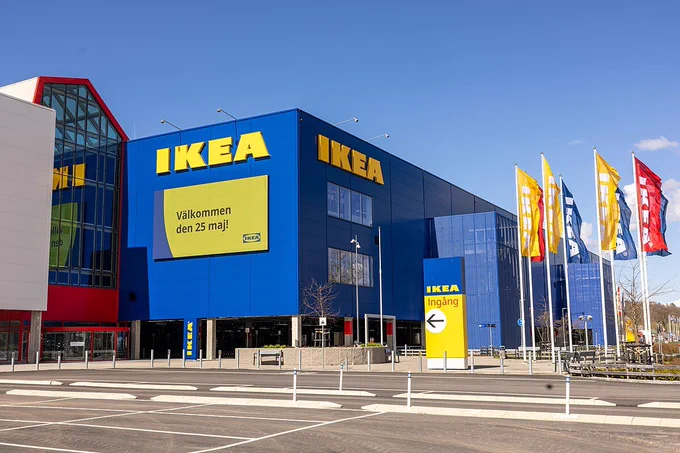
IKEA isn't a furniture store. It's a $50 billion psychological trap.
You walk in for a $20 shelf.
Two hours later, you’re leaving with a cart full of things you didn’t plan to buy.
Here’s how IKEA hacks your brain to make you spend more:
In 1975, Pepsi launched the most dangerous marketing stunt ever:
The Pepsi Challenge.
Blind taste tests showed Americans preferred Pepsi over Coke.
Coca-Cola panicked.
What they did next became the biggest branding disaster in history.
Here’s the full story: